BOVA Cloud Printing
Designing one service across screens, devices, and real installation sites.
I translated file-conversion, payment, printer, and field-installation constraints into a shared experience across app, mobile web, PC, kiosk, and multifunction-printer interfaces.
Overview
The problem
A single print job crossed file conversion, payment, software states, printer behaviour, and on-site hardware conditions.
What shipped
I connected those states across five product surfaces, a shared design system, an operations dashboard, hardware prototypes, and field installation.
One print journey across five surfaces
A customer's request began on a phone or PC but ended at a physical printer. Between those moments, the service had to convert files, collect payment, transfer a job, communicate waiting and failure states, and recover from hardware and network conditions. I worked across app, mobile web, PC, kiosk, and multifunction-printer interfaces so those handoffs felt like one service.
Designing waiting, failure, and recovery as one flow
Decision
Constraint
File conversion and device communication created unavoidable delays and failures, but each surface could expose them differently and leave a customer unsure where the print job had stopped.
Response
Shared status language and recovery paths connected request, conversion, payment, transfer, authentication, and output so the next action remained visible across devices.
From screen to installed system
A common system for software and device UI
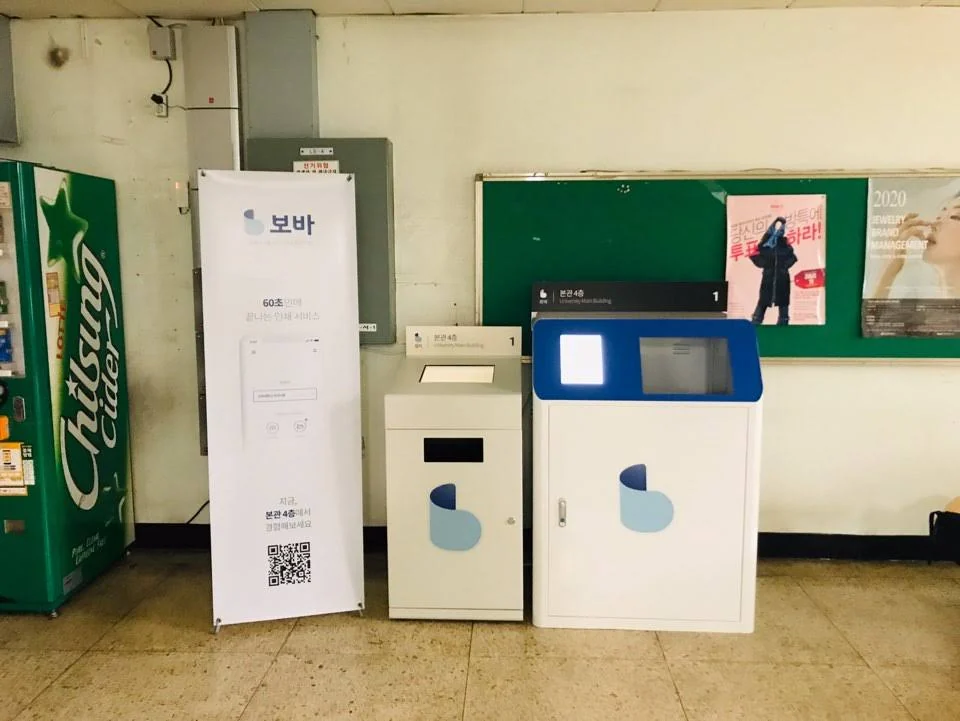
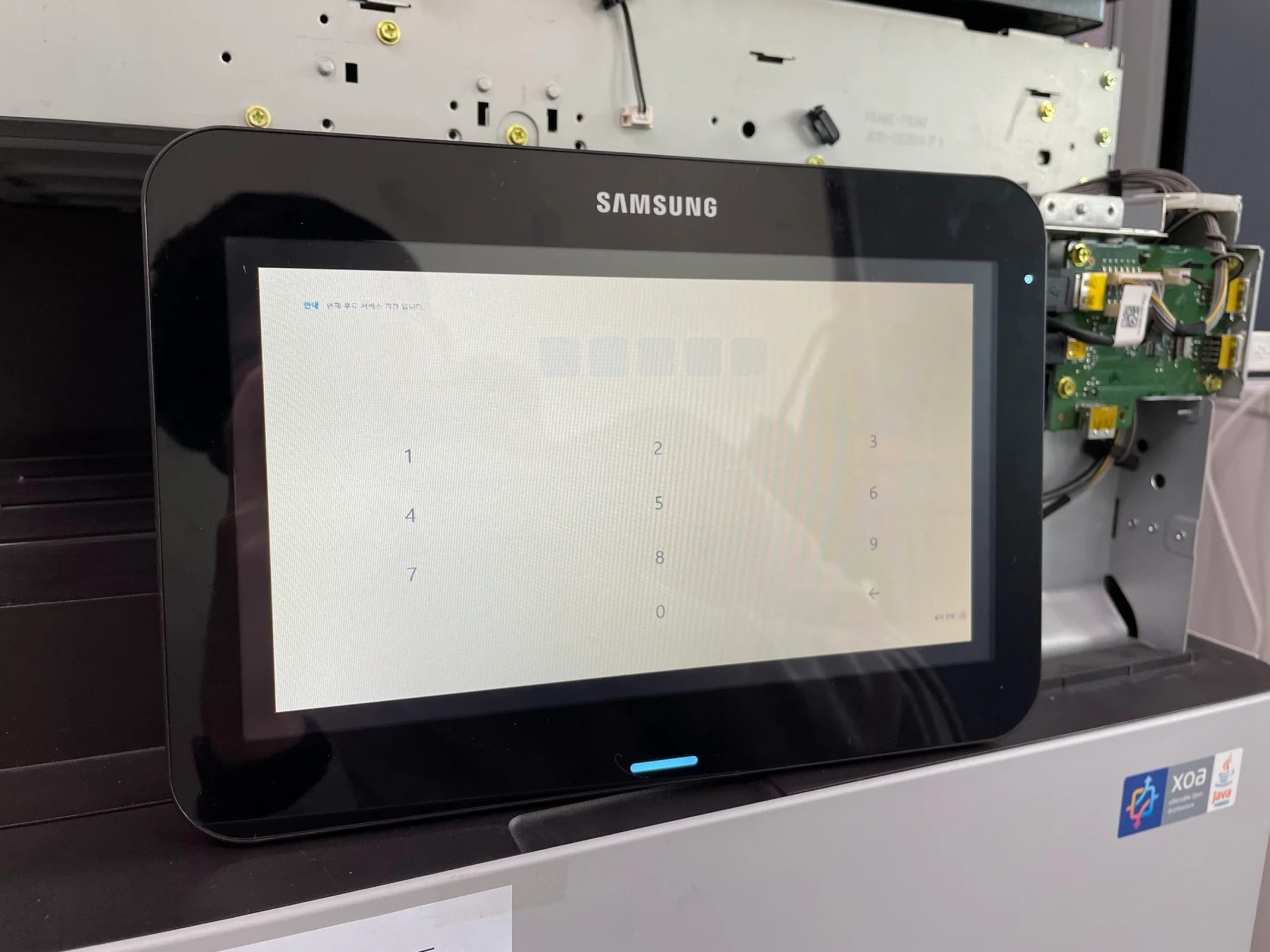
The service needed consistent hierarchy and state behaviour at very different sizes and input methods. I built shared interface rules for mobile, desktop, kiosk, and copier UI, while adapting density, touch targets, authentication, and output feedback to each device rather than forcing one screen pattern everywhere.
From prototype to field operation
- 01
Mapped the end-to-end printing journey with planning and development, including conversion, payment, device communication, and exception states.
- 02
Designed customer-facing and operational interfaces across five surfaces and kept shared patterns in a reusable design system.
- 03
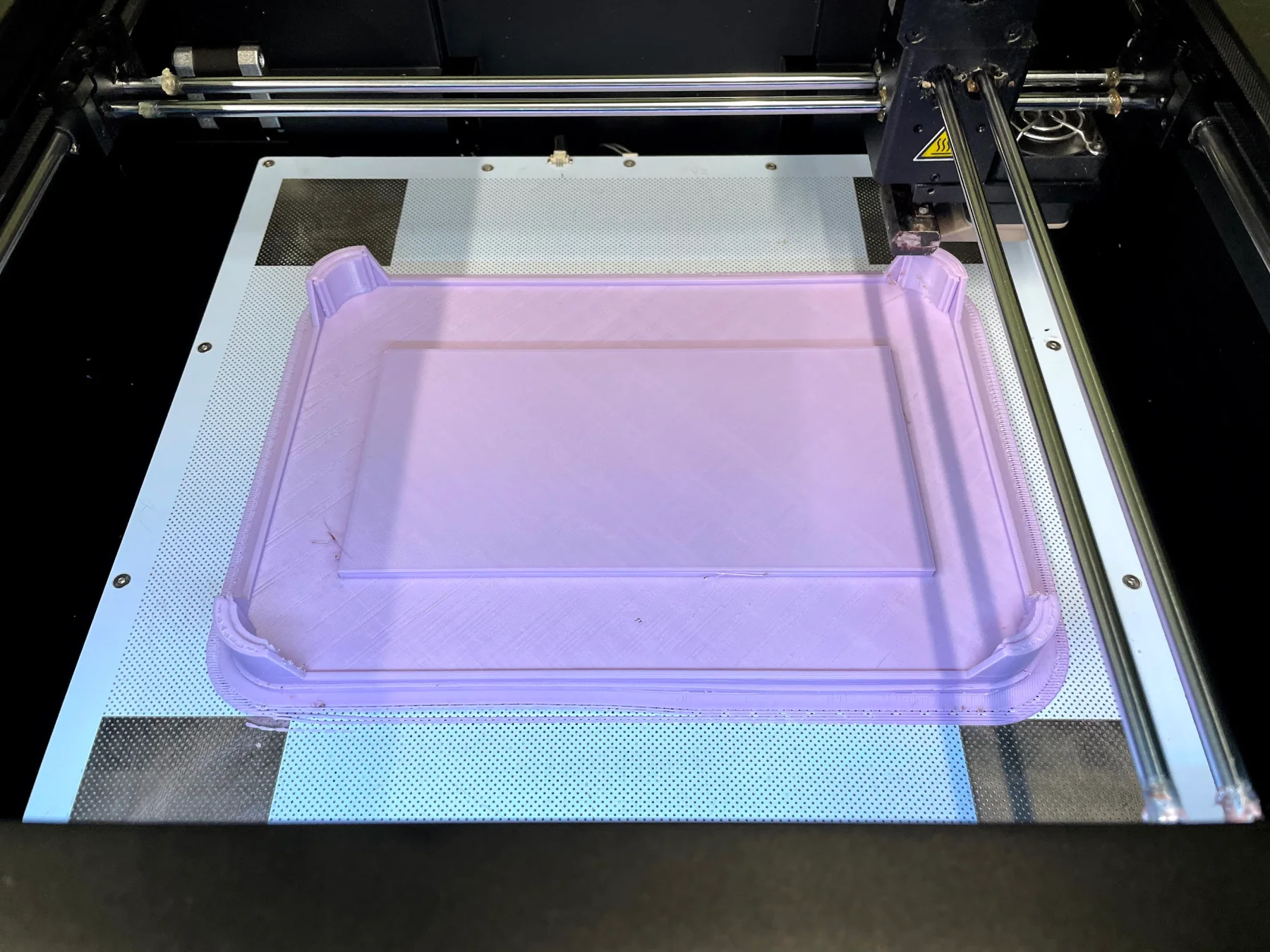
Worked with hardware constraints through enclosure planning and 3D-printed prototypes instead of treating the physical station as a separate project.
- 04
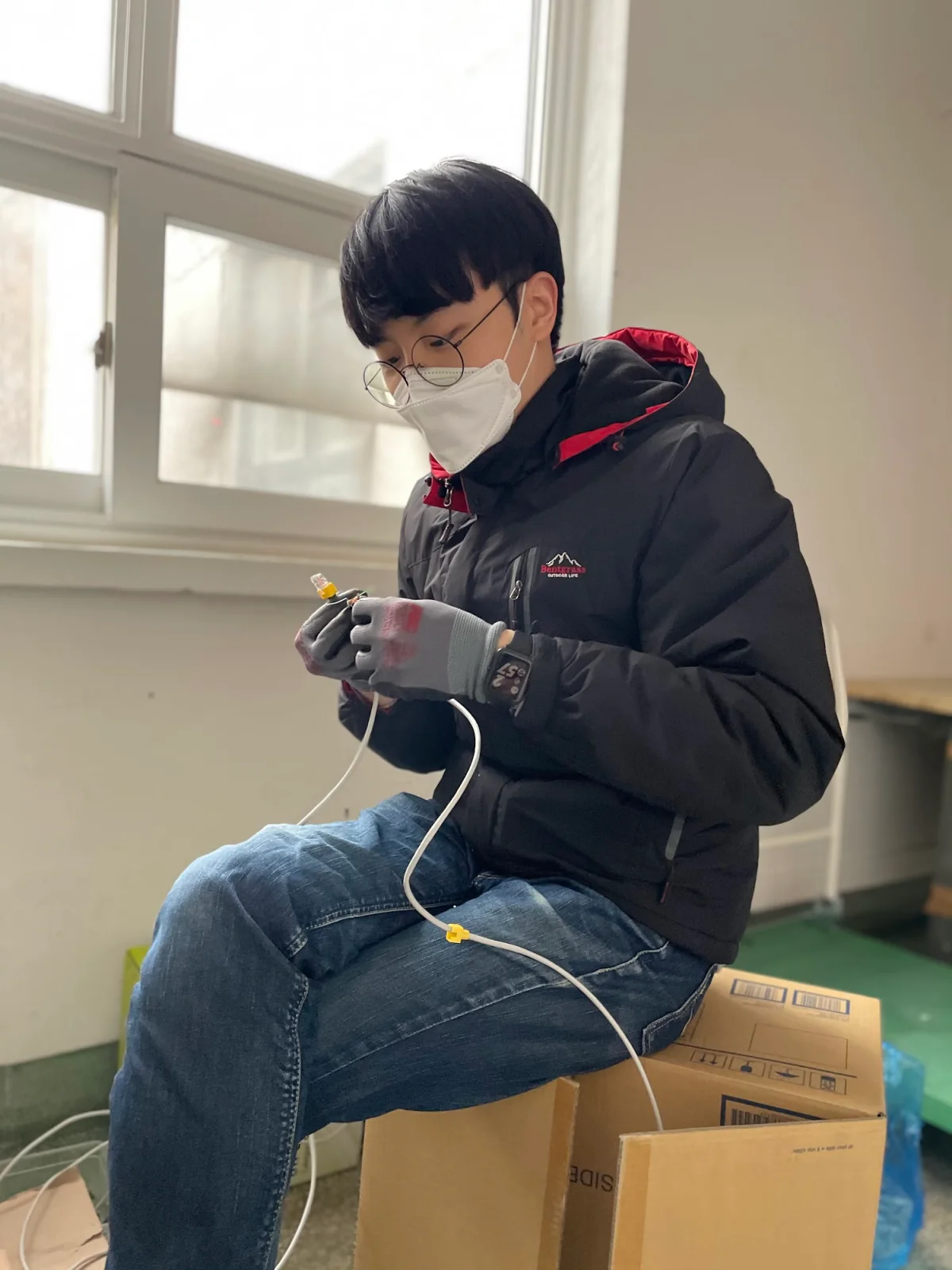
Installed and tested the service at 10 sites, documenting network, cable, printer, space, and usage conditions that changed later interface decisions.
Hardware decisions were product decisions
Verified delivery and operation
- Service reach
- Installed at more than 20 sites
- Direct field work
- Personally installed and tested at 10 sites
- Product breadth
- App, mobile web, PC, kiosk, and multifunction printer
- Physical prototyping
- A 3D-printed enclosure and installation iterations
What fieldwork changed
Field installation made abstract edge cases concrete. Cable length, network access, printer response, glare, standing distance, and the placement of adjacent machines all affected the experience. I learned to carry those conditions into the interface early and to evaluate a connected product as a service system, not as a collection of screens.